

Understanding the psychological triggers that influence casino gambling behavior
The Allure of Risk and Reward
The thrill of gambling often stems from the balance between risk and reward. This psychological dynamic captivates individuals, drawing them into the casino environment where uncertainty reigns. Gamblers experience heightened emotions as they wager, creating an adrenaline rush that can be addictive. The anticipation of a potential win activates the brain’s reward pathways, reinforcing the desire to engage in gambling behaviors. Additionally, many people find themselves visiting the casino for a range of reasons, including wanting to access the 24 pokies casino login and enjoy various games and experiences.

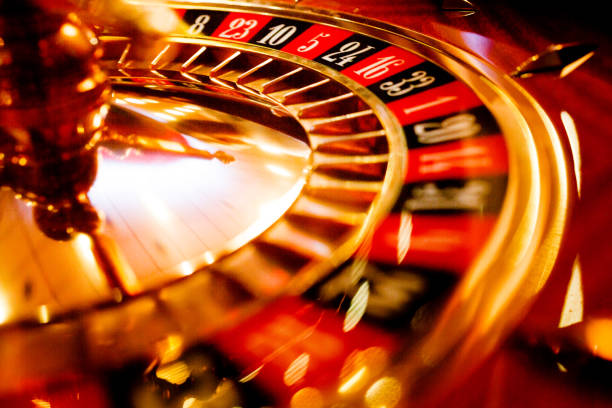
Moreover, the design of casinos plays a significant role in amplifying this allure. Bright lights, enticing sounds, and vibrant colors are intentionally used to create an atmosphere that feels exhilarating. This sensory overload taps into the brain’s pleasure centers, making the experience more appealing and contributing to the urge to gamble again, despite potential losses.
The Role of Social Influences
Social dynamics profoundly impact gambling behavior. People often gamble in groups, sharing experiences and excitement, which can heighten the enjoyment and sense of community. Social validation can reinforce the belief that gambling is a socially acceptable activity, which encourages individuals to partake more frequently.
Additionally, the presence of celebrities and influencers in casinos can further stimulate interest. When individuals see their favorite stars enjoying the thrill of gambling, they may feel a desire to replicate that experience. This connection can alter perceptions, making gambling seem glamorous and desirable, thus triggering an increase in participation.
Cognitive Biases in Gambling
Cognitive biases play a critical role in shaping gambling behavior. Many gamblers fall prey to the illusion of control, believing that they can influence outcomes in games of chance. This misconception can lead to overconfidence, encouraging individuals to take greater risks than they normally would. Such biases can contribute to a cycle of chasing losses, where players continue to gamble in hopes of recovering previous losses.
Moreover, the gambler’s fallacy is another cognitive bias that influences behavior. This belief suggests that past outcomes can affect future ones, leading players to make irrational betting decisions. Such biases can cloud judgment, creating an environment where logical reasoning is compromised, thus heightening the risk of problematic gambling habits.
Emotional Triggers and Gambling
Emotions significantly influence gambling decisions, often driving individuals to gamble as a means of escape. For some, the casino becomes a sanctuary away from daily stresses, offering a temporary reprieve from life’s challenges. This emotional connection can reinforce gambling as a coping mechanism, making it hard for individuals to step away from the tables or machines.
Additionally, the excitement of winning can create a euphoric emotional high, prompting players to seek that feeling repeatedly. The cycle of highs and lows can lead to compulsive behavior, as the pursuit of that next win becomes increasingly important. Emotional states can fluctuate wildly during gambling sessions, further complicating an individual’s relationship with gambling.
Exploring More About Gambling Behavior
Understanding the intricate psychological triggers influencing casino gambling behavior is essential for both gamblers and industry stakeholders. Insights into these dynamics can foster healthier gambling practices and promote awareness of potential risks associated with compulsive gambling. By educating individuals about the psychological factors at play, we can encourage more responsible gambling habits.
For those looking to dive deeper into this fascinating subject, various resources and communities are dedicated to exploring gambling behavior. Engaging with these platforms can provide valuable insights, support networks, and tools to foster a balanced approach to gambling. Whether you are a casual gambler or someone seeking help, information is readily available to guide you on your journey.